




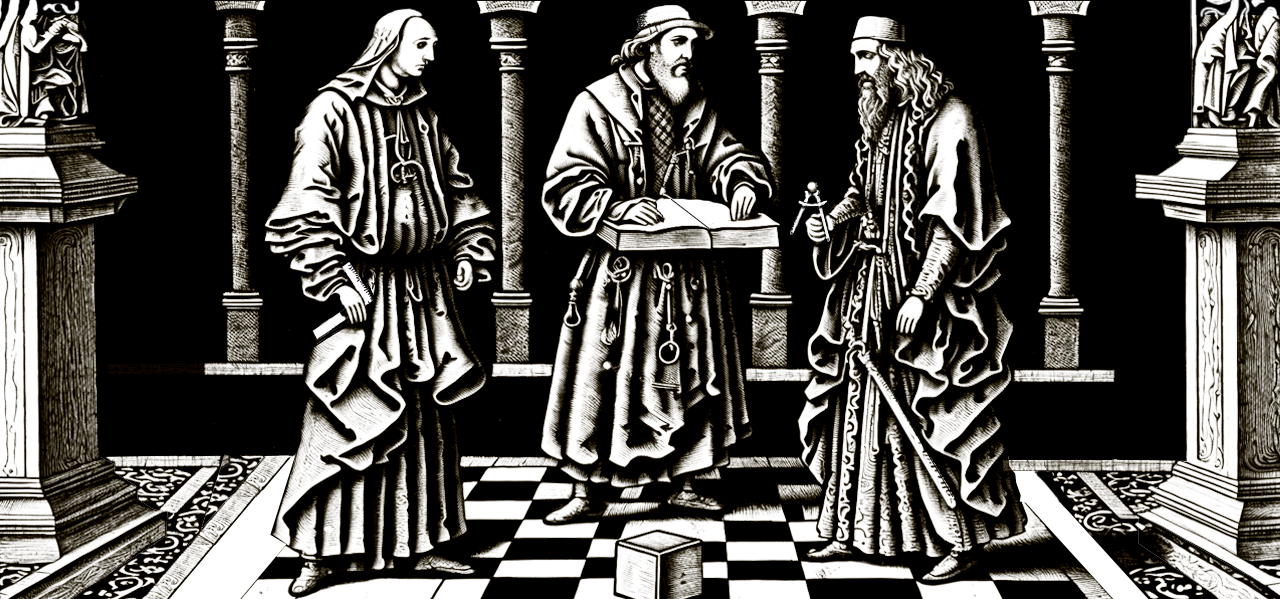
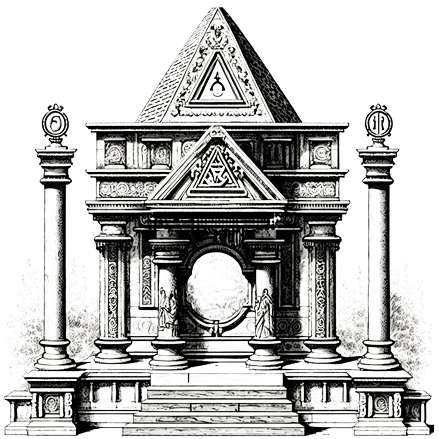
Freemasonry has a clear hierarchical structure — the Order, founded upon harmony, the conscious knowledge of God, respect, and friendship, bound together by a community of aspirations and a sense of unity, upon Masonic traditions and laws. The Order operates within the framework of the legislation of the country in which a particular Masonic organization (a Lodge) exists. At the same time, Lodges remain independent of state, economic, and political structures. In democratic countries, Lodges are sovereign organizations that regulate their own activities independently.
There is no single center that governs all of world Freemasonry. Relations between the Lodges of different countries are based exclusively on the principles of mutual recognition. Freemasonry unites people who are free from prejudice, from political and economic pressure, and from material dependence — those who seek to join the Order out of an inner calling and a desire to serve the ideals of the Light.
A candidate for Freemasonry (one of impeccable reputation) makes a solemn promise to live in accordance with high moral principles. Freemasonry presupposes brotherly support, service to the common good, and charity. Freemasonry is often called a "secret society," yet in reality it is an esoteric fraternity with traditions that contain certain mysteries accessible only to the initiated.
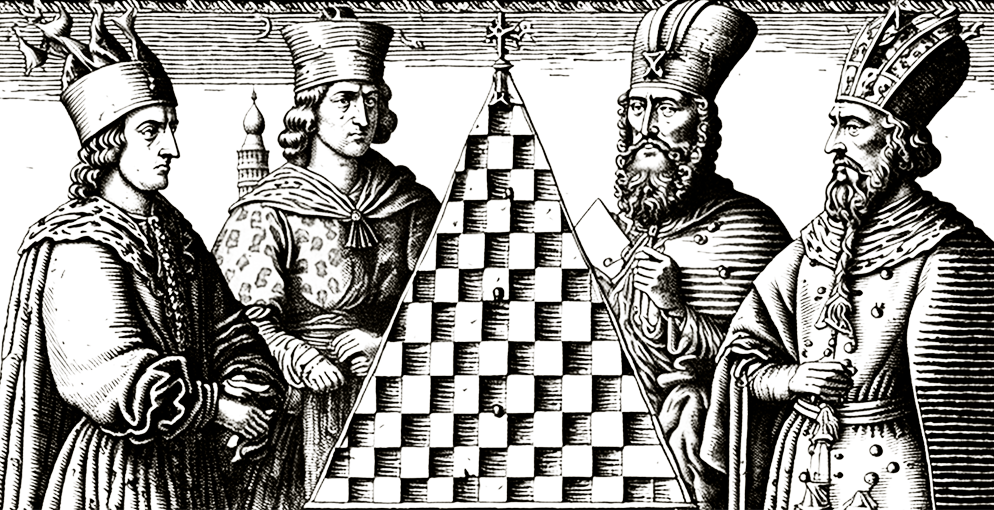
Freemasons strive for the knowledge of truth through self-knowledge and joint action, in which society becomes an instrument of spiritual development. Masonic teaching "hews" the human being, helping them to improve themselves and to contribute to the harmonious development of society. Anyone who professes faith in the immortality of the soul, in liberty, and in social optimism may become a Freemason. Freemasonry does not wait for the arrival of an ideal world order — it works actively toward its formation, holding that the world develops through the progress of a conscious society.
Faith in the immortality of the soul is the cornerstone of Freemasonry. A candidate who seeks to become a Freemason affirms their faith in a Higher Being and takes a solemn oath upon the Book of the Sacred Law (the Bible, the Quran, the Torah, or another sacred text that corresponds to the candidate's faith). If the members of a Lodge profess different religions, several sacred texts may be present in the Temple of the Lodge at the same time.
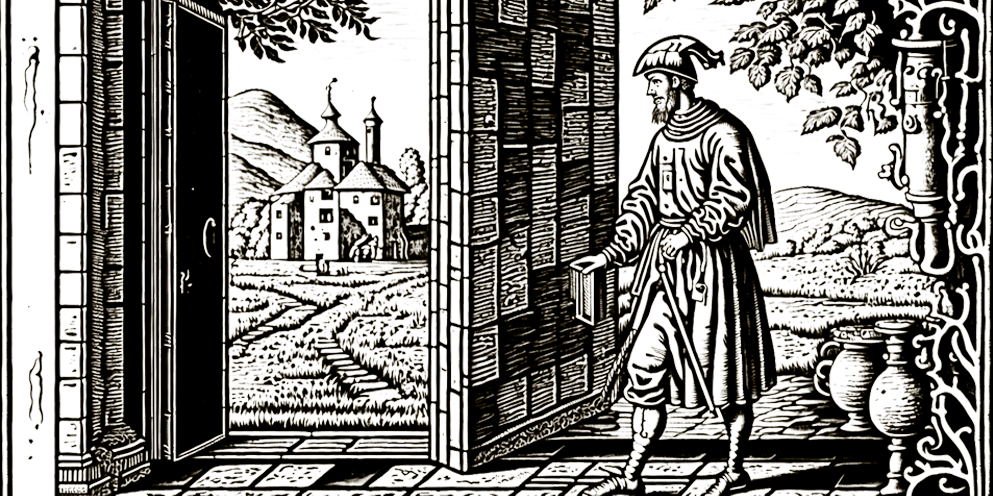
Faith in the immortality of the soul is the foundation of Freemasonry; a candidate who seeks to be a Freemason affirms their faith in a Higher Being and takes an oath upon the Books of the Sacred Law, which is always opened during the work of the Lodge (the Bible, the Quran, the Torah, or another book that is the foundation of a particular faith to which the candidate belongs. If the members of the Lodge profess different religions, then different sacred texts are present in the Lodge).
The Masonic fraternity helps its members in self-improvement, in the cultivation of noble virtues, and teaches them to control their passions and to restrain selfish desires. The Masonic brotherhood unites people regardless of nationality, religion, color of skin, or political or socio-economic differences. Freemasonry strives to build a harmonious society on the foundations of law, order, and fraternity.
The order of the Order is necessary for the unceasing spiritual improvement of the Freemason, the building of the Temple of the soul, and the preservation of the rituals. A Freemason is a person capable of self-discipline and self-education. Freemasonry regards a harmonious world order as the dialectical law of the self-improvement of the material world.
Masonic society helps the brother in self-improvement and in the formation of noble virtues, encouraging him to learn to limit his desires and to restrain his passions. Fraternity is a community of people without prejudice on the grounds of nation, religion, color of skin, or political and socio-economic position. Human relations ought to be built upon the example of the Masonic fraternity. For Freemasons, the Order is service to humanity and to fraternity; it is a clear knightly hierarchy that is necessary for this purpose.
The order of the Order is necessary for the ceaseless building of the Temple of the Freemason's soul and the maintenance of the rituals. A Freemason is a person capable of self-discipline and self-education. Freemasons strive to build an order, which they regard as the dialectical law of the self-ordering of the material world.
Freemasonry affirms the ideals of liberty, equality, and fraternity. It cultivates a free human being who contributes to the building of a just society. Freemasons work for the independence of their state and take part in the building of an independent Ukraine, a free Ukrainian society in which law and order will prevail, founded upon brotherly principles.
This path cannot be traveled without an inner rebirth. Freemasons are the builders of social progress. They work on self-improvement (the building of the Temple of their own soul), on the development of fraternity (the Temple of the Lodge), and on the improvement of the world as a whole (the building of the World Temple), striving to create not an elite men's club for leisure, but a voluntary service of the Order to the high ideals of humanity.
The Masonic Order acts as an instrument for the knowledge and the creation of a new human being. Feeling, reason, and heart are the three principal cognitive faculties, corresponding to the three levels of knowledge. Freemasonry develops intuition as the key to understanding the structure of the universe and to attaining moral perfection. It opens before the Freemason a system of symbolic keys that grant access to the comprehension of the metaphysical laws of the structure of the universe. Moral purification is a necessary condition for knowledge and for the attainment of higher truths.
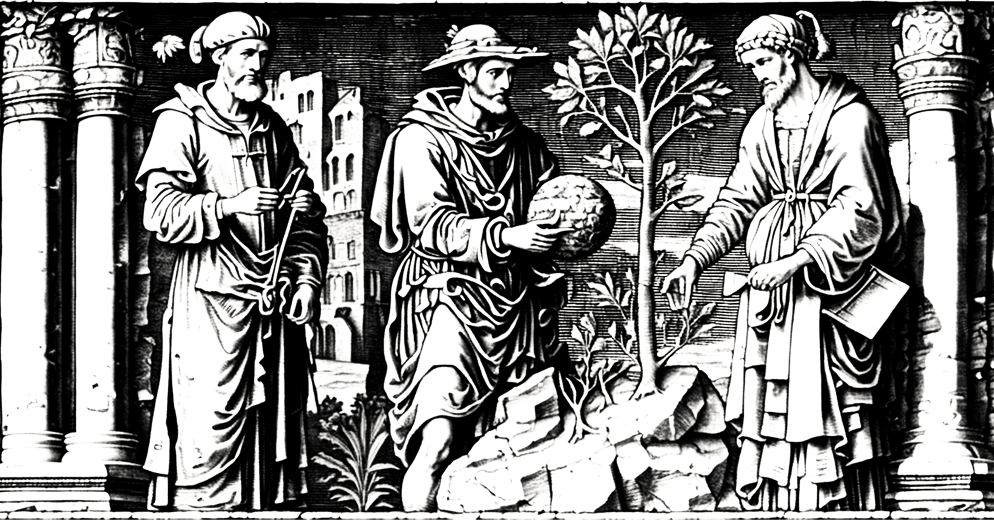
Philosophy occupies a central place in Masonic teaching. The meetings of the Lodge take the form of rituals saturated with symbolism. Freemasons make use of architectural symbolism, like builders, but their "building" is the philosophical labor upon themselves.
Rituals and symbols awaken in the Freemason the capacity for a supersensory perception of the world. Freemasons do not impose their wisdom, but they are always ready to share it with a worthy person, if that person themselves strives for the Light.