




Who We Are
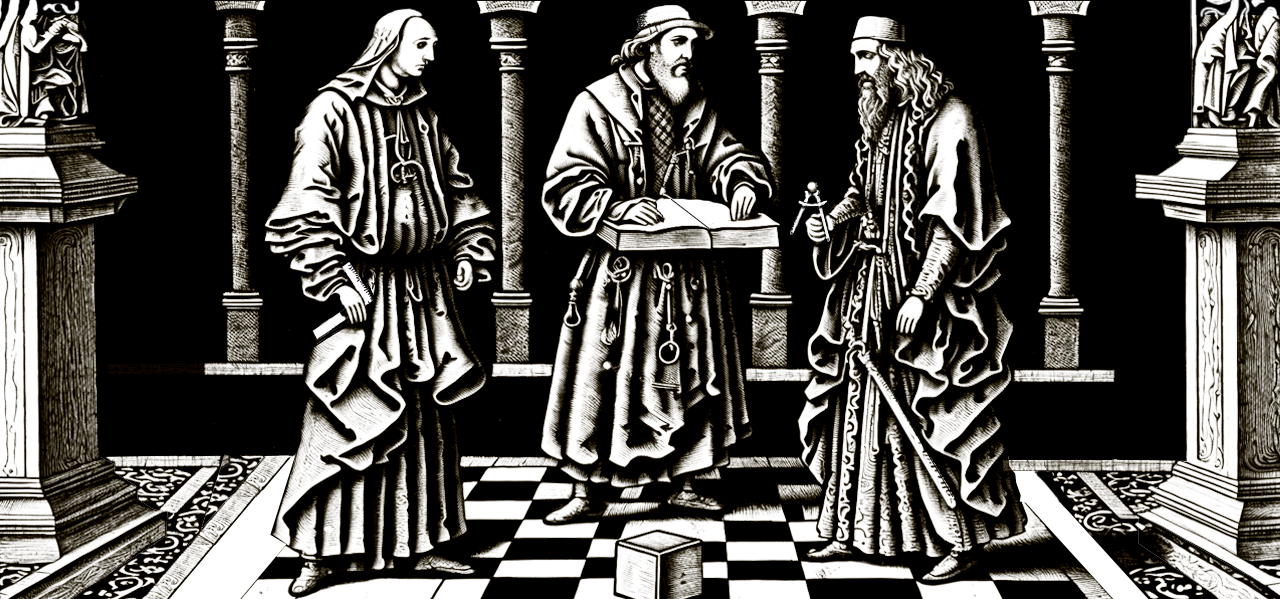
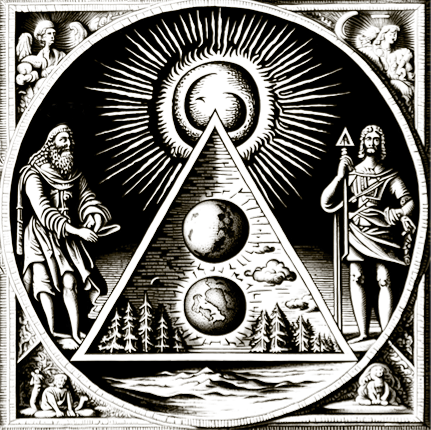
Freemasonry is an ancient moral-ethical and philosophical system that is revealed in allegories and symbols with the help of experienced master Freemasons. It is a social practice of building the human being and of free brotherhood. The Masonic system is not dogmatic; it opens paths for one's own interpretation of the world's questions.
A person can become a Freemason if faith in the immortality of the soul, freedom, and social optimism are their principal values. Freemasonry has a clear structure. It is an Order founded upon harmony, upon the ideas of one's own path of knowing God, upon respect and friendship, bound together by a commonality of aspirations and an awareness of unity.
In democratic countries, the lodges are independent organizations that govern Freemasonry within a particular country on their own. There is no organization that governs all of world Freemasonry; relations between the Lodges of the countries of the world depend solely on mutual recognition.
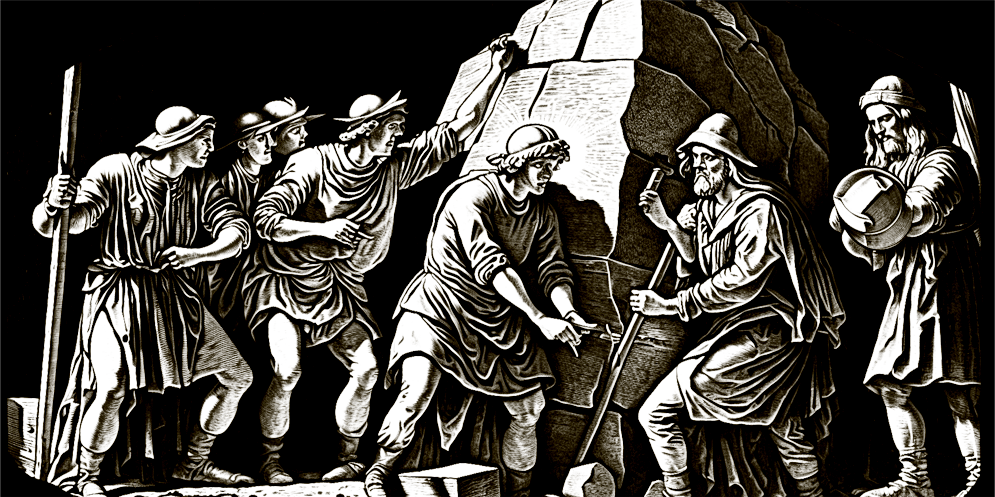
Freemasons declare their aspiration to conduct a search for truth through self-knowledge, in the process of joint social action, in which society itself serves as an instrument of improvement, "hewing" the human being. In this way, through Masonic work, a brotherhood-society is formed.
What We Strive For
Freemasonry strives to affirm meanings and values - the ideas of social harmony and modernization, of liberty, equality, fraternity. Freemasonry cultivates a free person who takes part in building an independent Ukraine, a free Ukrainian society where law and order will prevail, a new society that is being transformed into a Brotherhood.
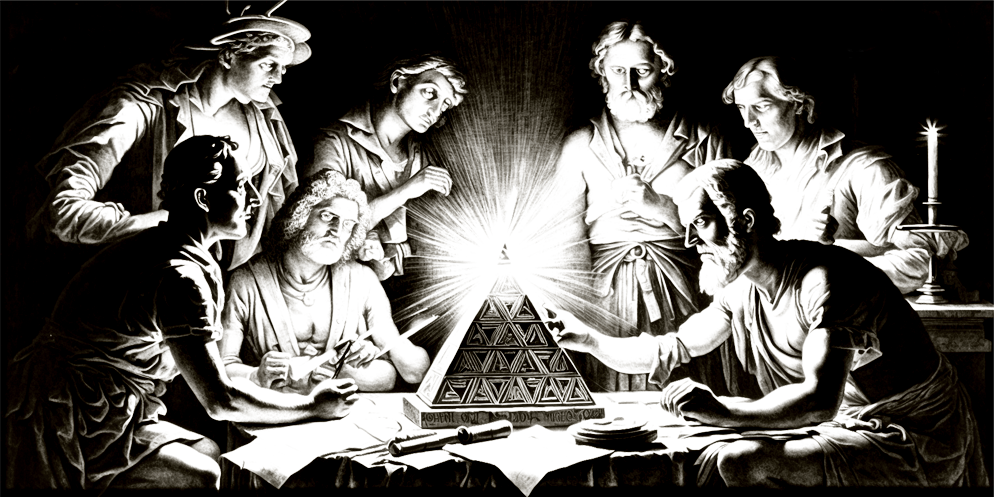
This path cannot be traveled without one's own rebirth, and therefore Freemasons are builders of social progress. Freemasons build themselves (a Temple within their own soul), the brotherhood-Freemasonry (the Temple of the Masonic lodge), and all of world society (as a Temple), with the aim of making the world better, striving not for a cozy men's leisure club, but for voluntary service of the Order to great goals and ideas.
Our Values
Faith in the immortality of the soul is the foundation of Freemasonry. A candidate who aspires to be a Freemason takes an oath upon the Books of the Sacred Law, which are always opened at the beginning of the lodge's work (the Bible, the Quran, the Talmud, or another book that is the foundation of the creed to which the candidate belongs. If the members of the lodge profess different religions, then different sacred books are present in the lodge).
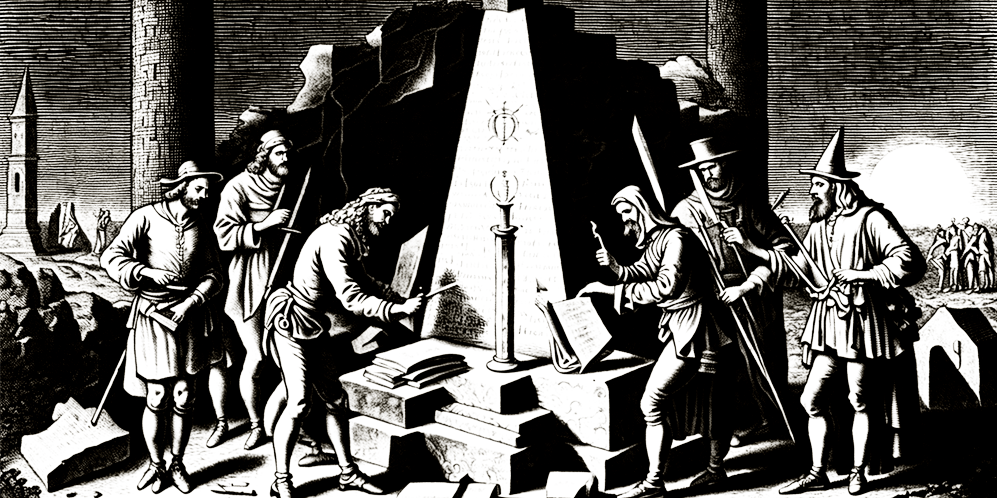
Every Freemason, while in the lodge, addresses God as the Great Architect of the Universe. But every Freemason continues to profess those religious views with which he came to the lodge. Freemasonry is not a dogmatic religion nor a substitute for religion; Masonic philosophy concerns only questions of ethics and morality. Freemasons strive to build an order, which they regard as the dialectical law of the self-ordering of the material world (systematicity - harmony, accord, self-organization - self-regulation).
How We Will Achieve This
Freemasons believe that the Masonic Order is capable of acting as an instrument for the cognition and creation of a new human being. Feeling, reason, and heart are the three principal cognitive faculties of the human being, which define three different types of cognition. Freemasonry develops intuition as an instrument for acquiring meanings, for moral rebirth, for the merging of subject and object, and for the human being's acquisition of knowledge about the external world and the world within himself.
By changing himself, the Freemason thereby changes the surrounding world. The quality of a Freemason is the conviction in the cognition of the surrounding world, which prompts the necessity of self-knowledge. For the Freemason, the cognition of the world begins in the form of a system of symbolic keys that grant access to an understanding of the laws of the universe.
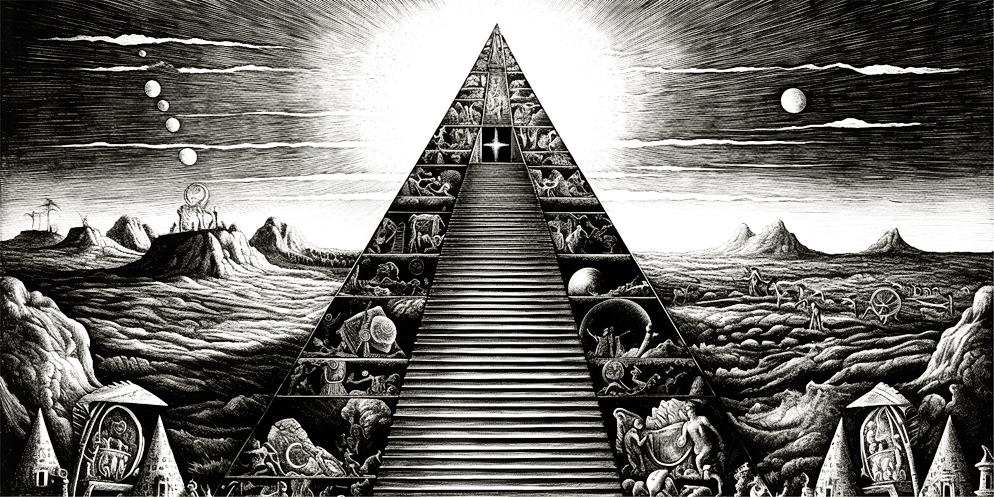
Moral improvement requires moral purity, which is the condition for the possibility of cognition, of comprehending the metaphysical principles of the world order. Freemasons assign philosophy a central role in the teaching of the Order; the gatherings of Freemasons take place in the form of an allegorical ritual, and they use architectural symbolism like masons (that is, they engage in philosophical building).
The task of ritual and symbols is the awakening of suprasensory faculties in the perception of the world. Freemasons do not impose their light, but they are always ready to share it with a person of good repute, whenever that person should desire it.